How deep should Gerbil substrate be?
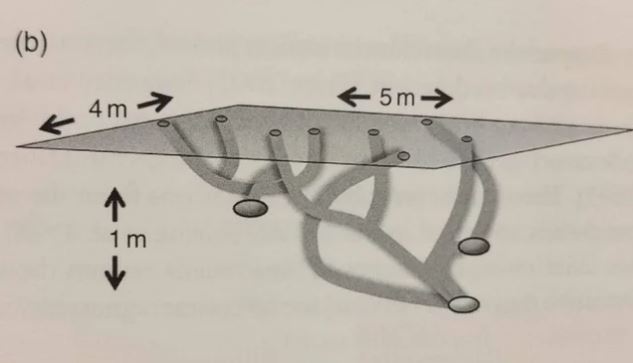
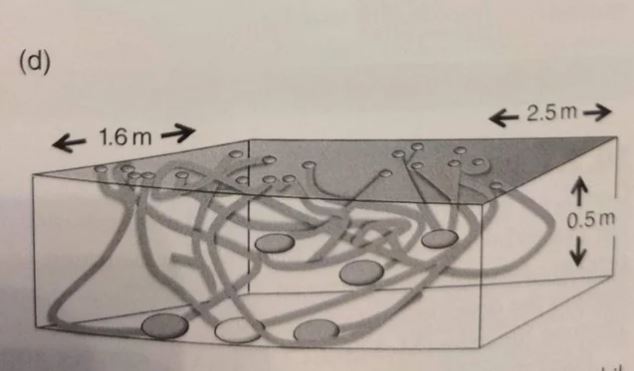
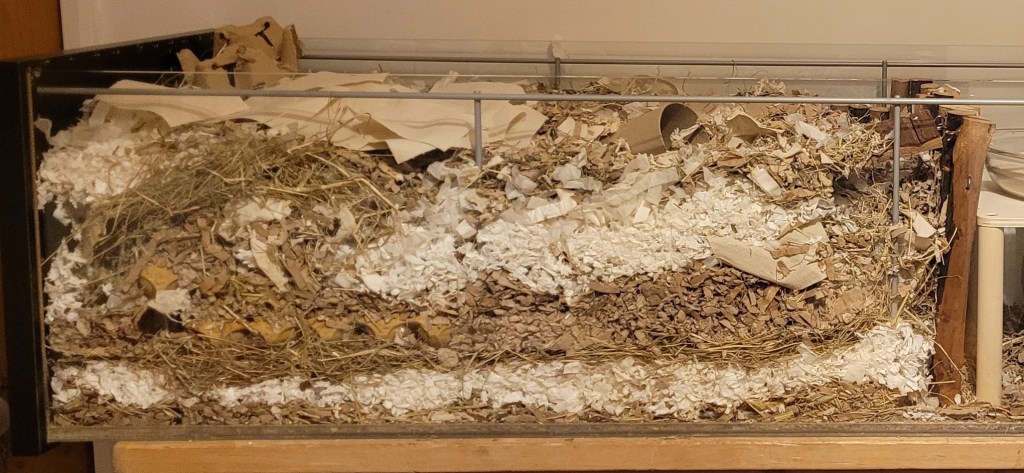
Gerbils need plenty of digging material—known as substrate or bedding—to tunnel, sleep, and feel safe. In the wild, they live underground in complex burrow systems, so it’s vital to recreate this environment in captivity. Without a burrow, a gerbil quickly becomes stressed and vulnerable. A Gerbil in the wild with no burrow, is a dead Gerbil. Tanks with only a few inches of substrate upset us and upset your Gerbils; deep substrate is essential. Without it, gerbils may develop behavioural problems such as scratching at glass or digging at nothing—frustrated attempts to build burrows that aren’t possible. As we mention in our Housing. Which Tank? section, Swiss animal welfare laws set a minimum of 25 cm of substrate, as outlined in the Gerbil Handbook by Swiss Animal Welfare (STS). We recommend the same, with 40 cm or more being ideal. The deeper the substrate, the better, as it allows gerbils to create natural burrows and thrive, as the pictures below illustrate.
Your gerbils’ tank is their territory, not yours, so avoid disturbing their substrate or digging area unless absolutely necessary. The best substrate choice is a dust-free, absorbent, unscented, paper-based substrate, which we explain and give examples of below. Never use sawdust (we also talk about this more below). During our time in animal rescue, many gerbils arrived housed in toxic wood shavings or sawdust and often suffered nasal dermatitis. If you notice a red, sore, or balding nose, remove potential irritants and monitor for improvement. If the condition persists, consult a vet, as medication may be required.
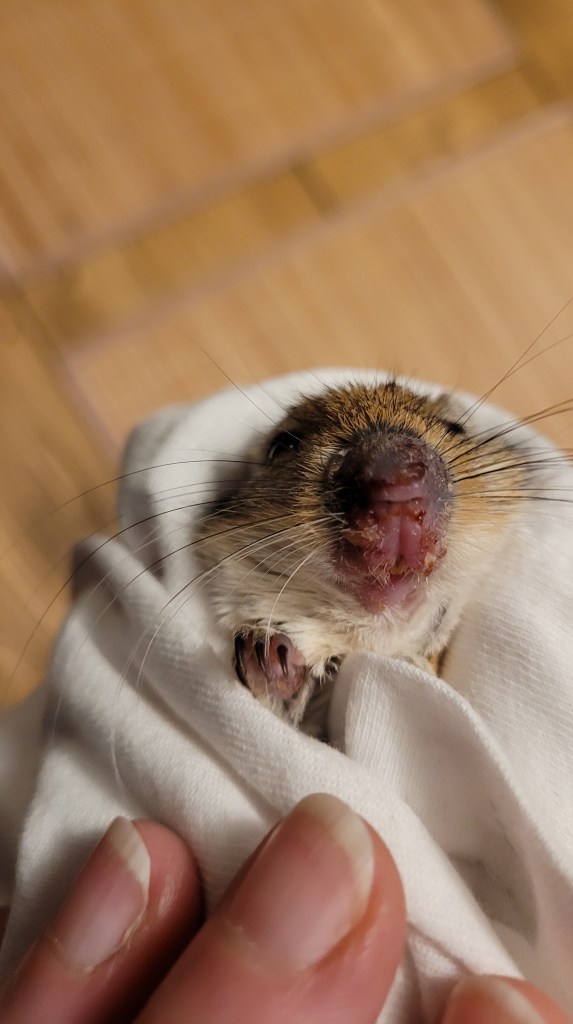
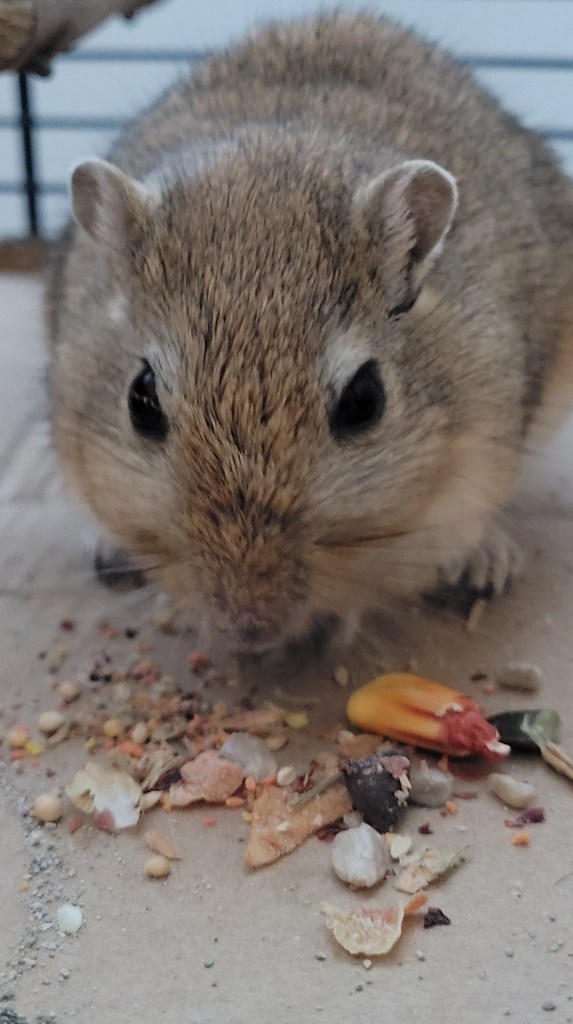
Picture above (left) shows Georgie when she arrived into our rescue with a severe case of nasal dermatitis. After several weeks of vet treatment and being re-housed in a correct sized tank, with dust extracted paper based bedding, her hair had regrown and she was a new Gerbil.
Which Substrate or Bedding (Digging Material) for Gerbils?
While we can’t review every substrate/bedding, what you’re looking for is a substrate that is free of phenols, harsh chemicals, scents, un-safe dyes and dust extracted. It needs to be absorbent and hold the tunnel structures your Gerbils will build.
Scented Substrates: Avoid any substrate that is scented, including what could appear natural like apple, rose, lavender etc. For example Lavender Unbleached Paper Bedding – Small Pet Select UK states it is unsuitable for Hamsters (this should be extended to all small pets and withdrawn) but not all products will warn you. Scents are respiratory irritants, rather like sitting next to someone wearing heavy perfume all day, so imagine how that feels for a Gerbil with an exceptional sense of smell. For the science read National Library of Medicine – Acute toxic effects of fragrance products . For that reason do not use scented candles or air fresheners around your pets. Gerbils are very clean and rarely smell, particularly if you are spot cleaning, providing your Gerbils with a Sandbath, have a correctly sized Tank and have an absorbent substrate.
Dust: can cause respiratory illness, eye/nose irritation, and inflammation. While no product is 100% dust free, look for products that state they are dust extracted. Please note that users report different levels of dust with products, which can vary from batch to batch. National Library of Medicine – Endotoxin, Coliform, and Dust Levels in Various Types of Rodent Bedding
Sawdust: DO NOT USE. Sawdust is an irritant, and the small dust particles will cause damage and inflammation to the lungs. Imagine how you would feel laying and sleeping in sawdust permanently. For the science read National Library of Medicine – Sawdust-induced inflammatory changes in rat lung
Phenols/Wood Shavings: Phenols are toxic chemicals found in wood, they are more prevalent in soft woods (i.e. Pine & Cedar), while hard woods (i.e. Aspen) have a much lower phenol content. Do not use any form of bedding made from Pine or Cedar (if the packaging doesn’t state the source of the wood AVOID). Both of these woods are particularly bad for rodents, as are most softwood shavings. For the science read National Library of Medicine – The toxicity of constituents of cedar and pine woods to pulmonary epithelium and Science Direct – Immunologic and nonimmunologic mechanisms in asthma due to western red cedar . Wood must be kiln dried, a process which reduces phenols not entirely, but to what are considered safe levels. CHIPSI Classic states it contains Spruce, which although being a soft wood has a phenol content only slightly higher than Hardwood/Soft Hardwoods, so is a safer choice, as the table here and below illustrates The Problem with Pine . Chipsi classic also contains Fir , but it doesn’t state the percentage, so we emailed them and the response was “CHIPSI Classic is made from softwood sourced from spruce and fir trees, the percentages vary”. Aspen is widely considered the safest readily available hardwood for shavings, for example Small Pet Select Aspen Shavings are derived from 100% Aspen. Snake bedding is often made from soft Aspen like Komodo Apsen Bedding .
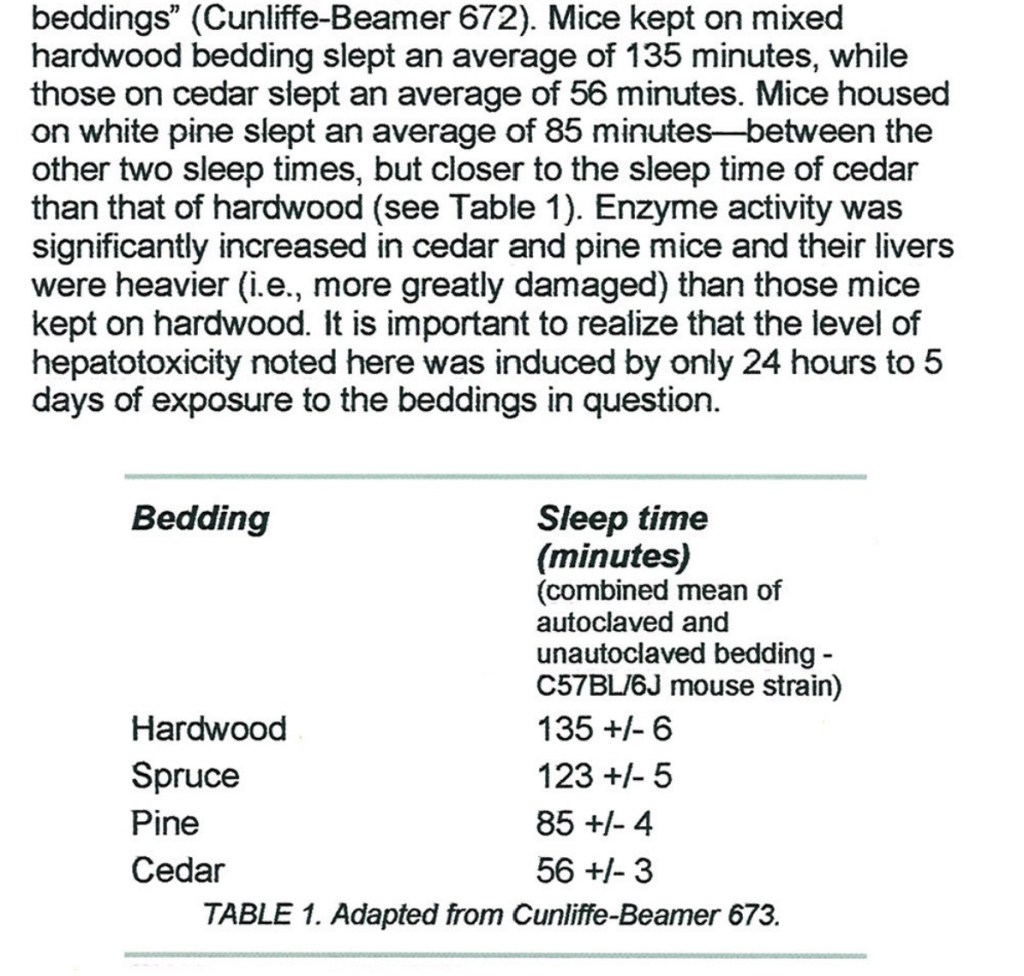
Endotoxins: Endotoxins in grain dust, household dust, and animal bedding can induce respiratory symptoms in rodents and humans. The conclusion of the below study is that corncob and hardwood based substrates contain higher levels of endotoxins, and paper based substrates contain significantly less. Simply put, if scientists are testing rodents for respiratory function, for the most accurate results they need to use a bedding that is least likely to cause symptoms. In this case paper based bedding is considered safest National Library of Medicine – Endotoxin, Coliform, and Dust Levels in Various Types of Rodent Bedding
While different substrates will have different positive qualities, absorbency, softness, ability to hold tunnel structures etc, what you go for depends on your priorities and how you and your Gerbils get on with chosen products. We prioritise respiratory health over all else and prefer dust extracted paper based bedding as there is no debate surrounding phenol content and endotoxin levels are lower. We’re following the science.
Here are some widely used paper based substrates for Gerbils.
Small Pet Select Paper Bedding – 100% natural cellulose fibre, no additives, dyes, irritants. 99% dust free. Fully compostable.
Carefresh Natural Pet Bedding – Raw natural paper fibre, absorbent, 99% dust free, no chemicals or undyes, compostable.
Megazorb – A by-product of paper with good environmental credentials, absorbent, and dust extracted.
Green Mile Animal Bedding – Marketed towards horses and small pets. Shredded cardboard (new uncontaminated material), absorbent, dust extracted, free from harmful irritations, 100% biodegradable. It is exceptionally absorbent due to how it’s structured – Scientific backing for Green Mile cardboard bedding 25 April 2025
Fitch – Paper based, absorbent, 99% dust free.
Kaytee Clean & Cozy – Paper based, absorbent, 99% dust free.
Tea Bag Bedding – This is a by-product of tea bags and can be used as substrate or nesting material. Tea Bag Bedding Company use offcuts from tea bag production in the UK, untouched by tea. No odour, 100% recyclable and biodegradable, dust extracted, absorbent. 100% safe as tea bags are produced for human consumption.
Meadow/Orchard Hay. Timothy Hay or Straw is too sharp for Gerbils. Hay can be added to your chosen substrate(s) to assist in binding tunnels, and to add enrichment i.e Oxbow Orchard Grass Hay or Natures Own – Devon Meadow Hay XL which comes in compostable plastic free film, no pesticides. Pets and people can suffer allergies, so always make sure hay is dust extracted, to avoid respiratory issues, and is chemical free.
How much substrate do I need to fill a Gerbil tank? It takes a lot of substrate to fill a Gerbil tank, so do check the size of your tank vs the litres of substrate you are buying, and whether it is compacted. As a guide a 100cmx40cmx40cm tank is 160litres if completely full. Some Gerbils are sensitive to certain types of substrates/bedding as are humans, so what works for one may not work for another. For value for money, variety and in order to create great tunnels while finding your preferred substrates, mix different varieties together, along with hay if needed.
MITES & GERBILS TIPS: While we have never suffered an outbreak of mites, it does occasionally happen, as they can be contained in substrate, or wooden/tank items. If you have a freezer large enough you can freeze the bedding you will use for your next tank clean to kill them off. We talk about the science, and what to do, at the bottom of this page.
Back to the fun part! For the best tunnels and happiest Gerbils, ensure the substrate is at least 10 inches /25cm deep, although deeper is always better. Fill the tank up!
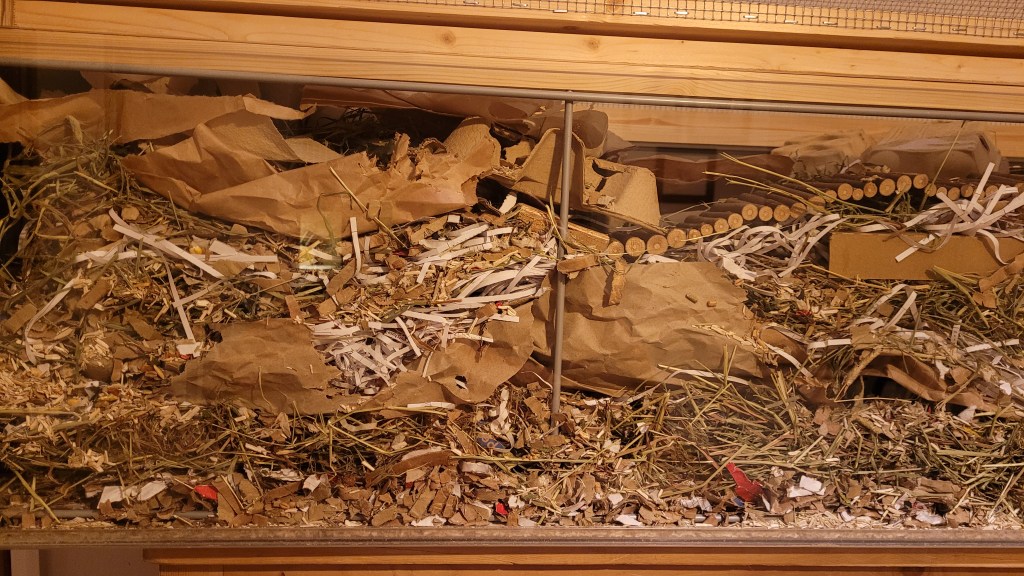
A substrate mix of Green Mile cardboard bedding, soft shredded paper, meadow hay, brown packaging paper, postal tubes and egg boxes.
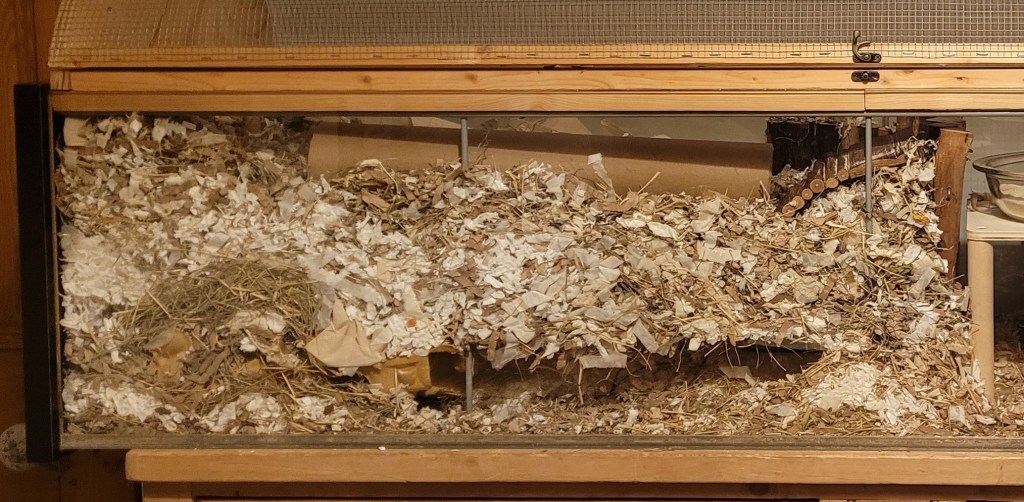
A substrate mix of Green Mile cardboard, Fitch, meadow hay, Carefresh, Tea Bag Bedding, egg boxes, cardboard, Naked Sprout toilet paper sheets, plain brown postal tubes (76mm diameter, 460mmlong). In this example the substrate mix holds tunnel structures well.
Which Nesting Material for Gerbils?
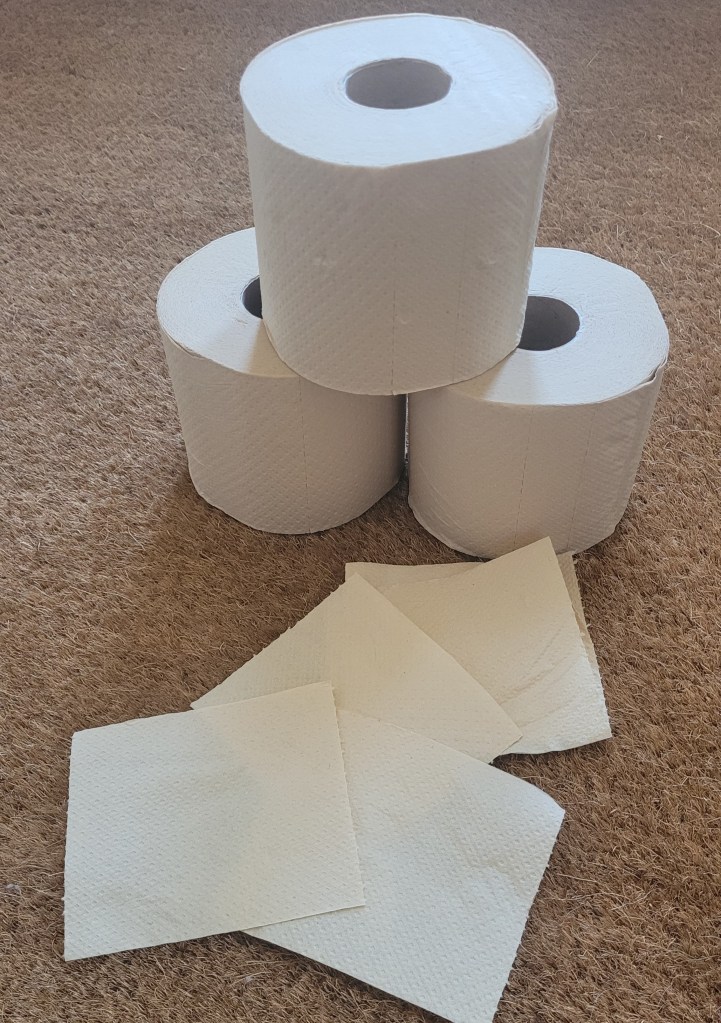
Nesting Material is what Gerbils need to create their nests and to provide comfort and warmth. We use plain, unbleached, unscented, plastic free, toilet tissue as nesting material like Super Soft, Unbleached Bamboo Eco Toilet Paper | Naked Paper . Simply throw some sheets daily into their tank, and your Gerbils will do the rest. Rather than shop bought nesting material, toilet paper sheets allow your Gerbils to collect and shred it them themselves, which keeps them busy and active, as they would be in the wild. It’s also cheap and you’ll always have it at home. Tea Bag Bedding also works well as a substrate and nesting material.

Never use fluffy bedding/nesting material which is sold as a cotton wool type product. Small furries get tangled up in it or ingest it, resulting in broken limbs, stomach blockages and in severe cases, death. Hamster Welfare have written a comprehensive article on the dangers of fluffy bedding here Hamster Welfare – Fluffy Bedding Dangers . Examples, but not restricted to, are Walter Harrisons Snuggle Wool, Rosewood Naturals Soft N’ Safe, Rosewood Naturals Play N’ Bedding Pods, JR Farm Kapok Pods, Kapok Nest & Chew Pods, Kaytee Kapok All Natural Nesting Material, Kaytee Bamboo Nesting, You & Me Bamboo Nesting Material, Nobby Hamster Wadding, Animal Dreams Hamster Wool Bedding, Sharples Kapok Build a Nest, Zolux Cozy Bed, Penn Plax Bed Fluff. AVOID all of these.
Gerbil Nest Boxes
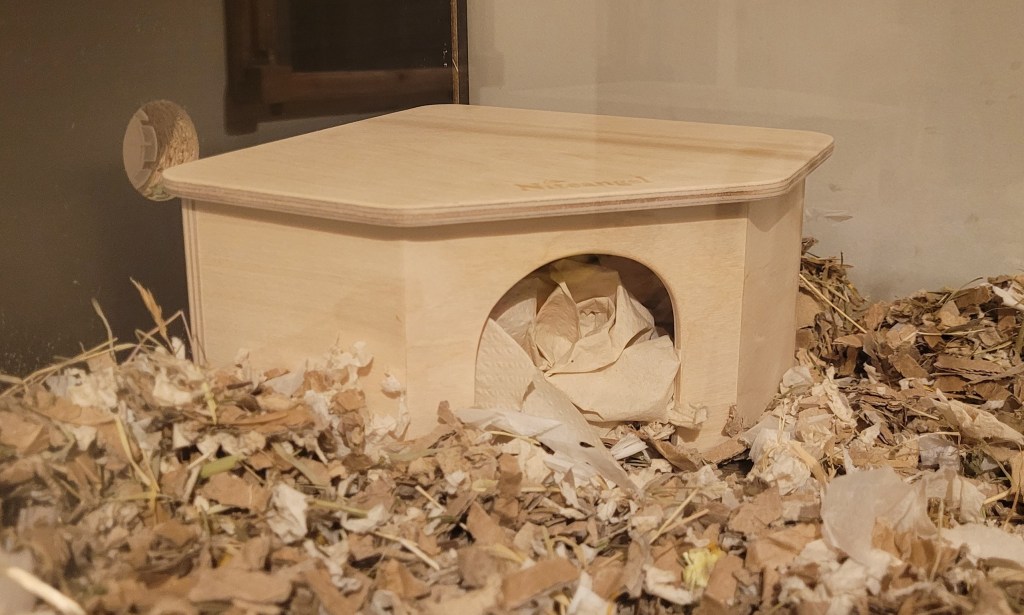
Nest boxes should be placed under their substrate, as pictured below. For example the Niteangel Birch Hide (single chamber) is suitable for 2 Gerbils. Get a 1 chamber hide, never multi chamber, and the larger 7.4inch version. The lid is not fixed so do weigh it down. Ideally you want Birch (or a hardwood) and never constructed using anything sharp like nails, or staples. so if you’re going for a different nest box, please check with your supplier. Alternatively, on a budget, you can use a small plain brown cardboard delivery box, approx size 15-20cm(L)x15cm(W)x10-15cm(H) and remove any plastic tape. We place it at the bottom of their tank and cover in deep substrate. Gerbils naturally live underground, so this mimics that environment.
Please do not provide more than one nesting box or multiple hides as this may encourage Gerbils to nest separately which can lead to Declaning
Gerbils & what to do about MITES!
Freezing bedding/substrate/tank items: While we have never suffered an outbreak of mites, it does occasionally happen, and they can be contained within substrate or wooden items. If you have a freezer large enough, then freeze the bedding you’re going to use for your next tank clean to kill off any bugs (this is not to say mites are present in every batch of bedding, because they aren’t, this is an optional precaution). Freeze bedding in a sealed bag for 48 hours or longer if possible, at -15. Then thaw for 48 hours then repeat and refreeze for 48 hours to kill any newly hatched eggs during thawing. A typical freezer operates at around -18. While some mites may survive the freezing process they will die shortly afterwards and the egg hatching cycle is halted. The science is here Effect of freezing mites.
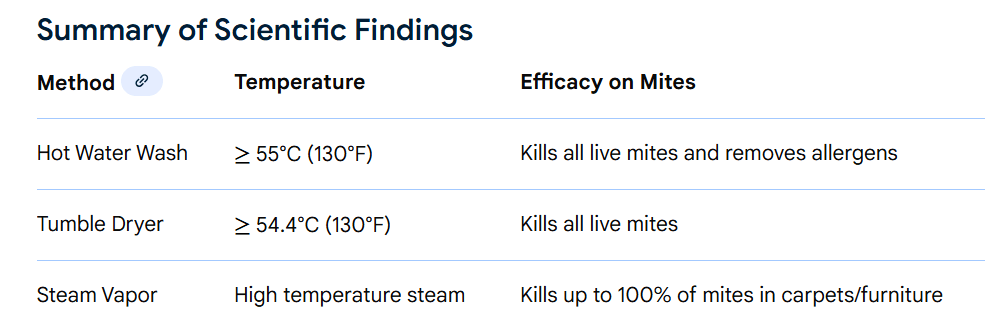
In the unfortunate occurrence that mites have extended to other parts of your home then the following temperatures will kill them The role of water temperature and laundry procedures in reducing house dust mite populations and allergen content of bedding – ScienceDirect
Baking to Kill Mites: For wooden items and bedding, 180 degrees for 10-30 minutes in the oven, is widely accepted as being enough to kill mites. Watch items and make sure they don’t burn! There are conflicting views on this, and once we can find the right science we will link to it.
Killing Mites in rest of home/particle board: Indorex Defence Household Flea Spray | Flea & Mite Control is extremely powerful (we used it when moving into a new house infested with fleas – urgh!) and it throughly removes fleas, mites etc from the home. Keep your Gerbils in a separate part of the house to where you are spraying for at least 48 hours and this should NEVER be used on or near pets.
Treating your Gerbils: If you suspect an outbreak of mites, always take your Gerbils to a vet, please don’t use use shop bought treatments and try to diagnose or treat yourself.
 Gerbil Care